 Fabrikisto de Elektra Aera Duster en Ĉinio – Kinzir
Sekigi aŭton post lavado estas grava parto de la detala procezo. Dum mikrofibraj tukoj estas ofte uzataj, ili povas esti malfacile uzeblaj ĉirkaŭ kradoj, speguloj, emblemoj, radoj, trim, kaj aliaj areoj kie akvo tendencas kolekti.
A aŭtoblovilo provizas oportunan sentuŝan manieron forigi akvon de ĉi tiuj malfacile atingeblaj areoj.
Alt-forta sendrata blovilo povas puŝi akvon el interspacoj kaj juntoj reduktante la kvanton de rekta kontakto kun la surfaco de la veturilo.. Por profesiaj detalistoj, moveblaj aŭto-prizorgaj entreprenoj, kaj aŭto-entuziasmuloj, ĝi povas esti utila aldono al moderna veturila sekiga rutino.
En ĉi tiu gvidilo, ni klarigas kiel uzi aŭtan blovislon por sekigi aŭton sekure kaj efike.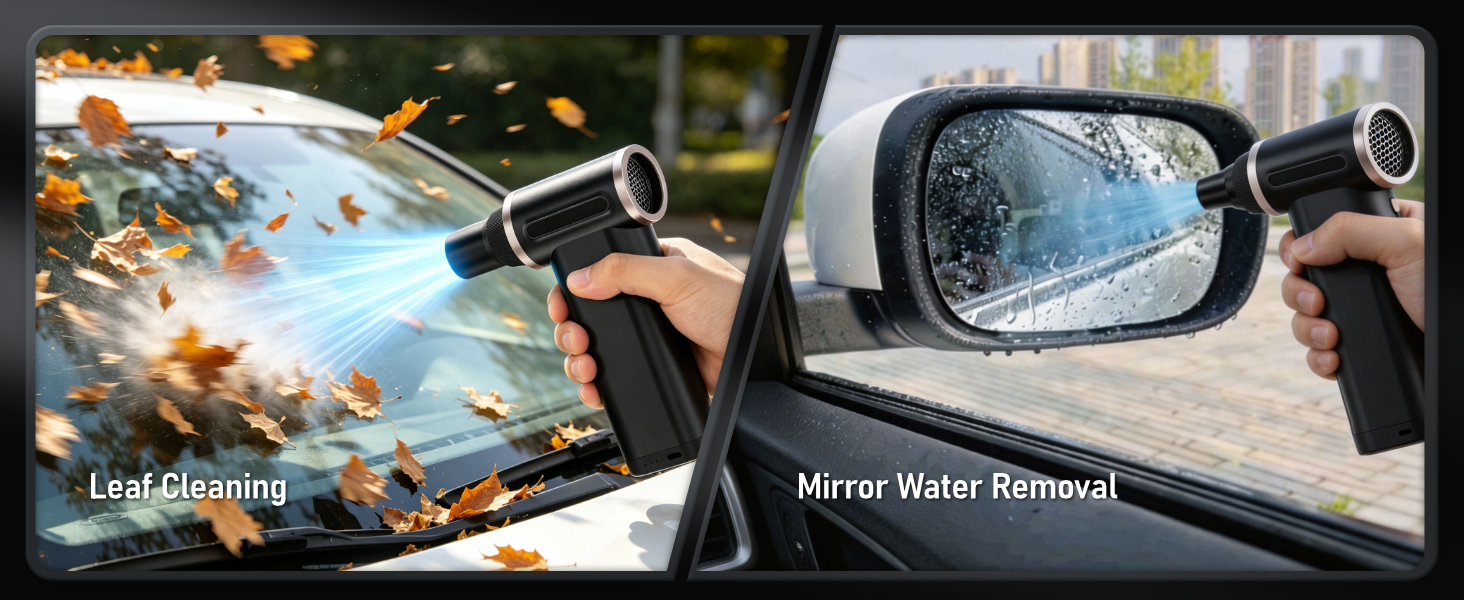
Kial Uzu Blovilon por Sekigi Aŭton?
Post lavado, akvo povas resti kaptita en multaj lokoj de veturilo.
Oftaj problemaj areoj inkluzivas:
- Flankspeguloj
- Pordaj teniloj
- Kradoj
- Aŭto-emblemoj
- Radoj
- Fenestraj sigeloj
- Korpaj panelaj breĉoj
- Ekstera tajlado
- Pordaj jamboj
- Ĉirkaŭ lumoj
Mikrofibra mantuko eble ne facile atingas ĉi tiujn areojn.
Blovisto uzas koncentritan aerfluon por movi akvon for de la veturilo sen postulado de rekta kontakto.
Ĉi tio estas precipe utila por sentuŝa aŭto-sekigado kaj por forigi akvon antaŭ la fina tuksekiga stadio.
Kian Tipon de Blovilo Vi Uzu?
Ne ĉiu blovilo estas desegnita por aŭtomobilaj detaloj.
Por aŭto-sekigado, serĉu kompaktan blovilon kun:
Forta Aerfluo
Sufiĉa aerfluo helpas movi akvon efike tra veturilsurfacoj kaj el mallarĝaj interspacoj.
Alta Aera Rapido
Altrapida aerfluo estas utila por puŝi akvon de speguloj, kradoj, emblemoj, radoj, kaj aliaj malfacilaj areoj.
Senkabla Operacio
Bateri-funkciigita blovilo forigas la bezonon de plilongiga kablo kaj faciligas moviĝi ĉirkaŭ la veturilo.
Alĝustigebla Rapido
Multoblaj rapidaj agordoj provizas pli bonan kontrolon por malsamaj surfacoj kaj sekigaj situacioj.
Preciza Nozzle
Mallarĝa ajuto povas koncentri aerfluon kaj helpi forigi akvon el mallozaj spacoj.
Komforta Pezo
Malpeza dezajno estas precipe grava dum sekigado de kompleta veturilo.
Paŝo post Paŝo: Kiel Sekigi Aŭton Per Blovilo
Paŝo 1: Lavu la Aŭton Plene
Antaŭ ol uzi blovilon, certigu, ke la veturilo estis taŭge lavita kaj lavita.
Ne uzu blovilon por movi grandajn kvantojn da malpuraĵo aŭ grio tra nelavita pentrita surfaco.
Tipa procezo estas:
Lavu → Rinse → Sekiĝu → Sekigi mantukon
La blovilo funkcias plej bone post malfiksa malpuraĵo kaj purigaj produktoj estas forigitaj.
Paŝo 2: Elektu la Taŭgan Ajuton
Elektu ajuton laŭ la areo, kiun vi purigas.
Mallarĝa ajuto estas utila por koncentrita aerfluo, dum pli larĝa ajuto povas kovri pli grandajn areojn.
Por detala laboro, precizeca aerfluo estas precipe utila ĉirkaŭe:
- Kradoj
- Speguloj
- Emblemoj
- Pordaj teniloj
- Radoj
- Trim
- Panelaj breĉoj
Certigu, ke la ajuto estas sekure fiksita antaŭ ol funkcii la blovilon.
Paŝo 3: Komencu Kun Malsupra Aera Fluo Agordo
Se via blovilo havas plurajn rapidajn agordojn, komencu je pli malalta aŭ meza agordo.
Ĉi tio permesas vin kontroli la aerfluon kaj observi kiel akvo moviĝas tra la surfaco.
Unufoje vi estas komforta kun la aerfluo, pliigi la potencon kiam necese.
Alta potenco estas precipe utila por forigi akvon de pli grandaj surfacoj aŭ puŝi akvon el mallarĝaj interspacoj.
Paŝo 4: Komencu De la Supro de la Veturilo
Komencu kun la tegmento kaj supraj surfacoj.
Laboru sisteme de:
Tegmento → Fenestroj → Kapuĉo → Trunko → Supra korpo → Malsupra korpo → Radoj
Komenci de la supro permesas al akvo moviĝi malsupren prefere ol plurfoje malsekigi areojn kiuj jam estis sekigitaj.
Uzu glatan, kontrolitaj movoj prefere ol teni la aerfluon koncentrita sur unu loko por plilongigita periodo.
Paŝo 5: Sekigi la Tegmenton kaj Vitron
Komencu direktante aerfluon trans la tegmenton.
Konservu la ajuton je akceptebla distanco de la surfaco kaj uzu kontrolitan balaantan movon.
Poste moviĝu al la fenestroj kaj vitro.
La celo ne estas nepre forigi ĉiun guton da akvo tuj. Anstataŭe, uzu la aerfluon por movi la plimulton de la akvo al la randoj de la veturilo.
Paŝo 6: Blovu Akvon El Speguloj
Flankspeguloj estas unu el la plej utilaj aplikoj por aŭtoblovilo.
Akvo povas resti ene de spegulaj loĝejoj kaj ĉirkaŭ la randoj de la spegulo.
Rekta aerfluo ĉirkaŭ la spegula loĝejo kaj kudroj.
Preciza ajuto povas helpi elpuŝi akvon el ĉi tiuj mallarĝaj spacoj.
Ĉi tio estas precipe utila ĉar akvo kaptita ene de la spegula asembleo povas guti sur la veturilon poste.
Paŝo 7: Pura Ĉirkaŭ Kradoj kaj Emblemoj
Kradoj kaj insignoj enhavas multajn malgrandajn aperturojn kie akvo povas resti post lavado.
Uzu koncentritan aerfluon por forigi akvon:
- Antaŭa krado
- Malantaŭaj kradaj areoj
- Insignoj de fabrikanto
- Modelemblemoj
- Dekoracia tajlado
Movu la ajuton ĉirkaŭ la areo anstataŭ koncentri aerfluon sur ununura punkto.
Ĉi tio permesas al akvo eskapi de pluraj direktoj.
Paŝo 8: Sekaj Pordaj Teniloj kaj Panelaj Interspacoj
Pordaj teniloj, kudroj, kaj tajlitaj pecoj povas teni surprizajn kvantojn da akvo.
Uzu precizan ajuton por blovi ĉirkaŭe:
- Pordaj teniloj
- Fenestra tajlado
- Pordaj kudroj
- Panelaj breĉoj
- Ekstera muldado
- Fenestraj sigeloj
Ĉi tio helpas malpliigi akvogutantan sur jam sekigitaj surfacoj.
Paŝo 9: Sekigi la Radojn
Radoj estas alia bonega apliko por alt-motora aŭtoblovisto.
Akvo povas resti ĉirkaŭe:
- Spokoj
- Lugnuksoj
- Radradoj
- Bremsaj komponantoj
- Radaj arkoj
Uzu kontrolitan aerfluon por forigi akvon de ĉi tiuj areoj.
Por radoj kun komplikaj dezajnoj, blovilo povas atingi areojn kie mantuko estas malfacile poziciebla.
Paŝo 10: Elblovu la Pordo Jambs
Post kiam la ĉefaj eksteraj surfacoj estas sekaj, malfermu la pordojn kaj inspektu la pordojn.
Akvo kutime restas ĉirkaŭe:
- Pordaj stampoj
- Ĉarniroj
- Pordaj randoj
- Rigliloj
- Drenaj areoj
Blovisto povas rapide forigi restantan akvon de ĉi tiuj areoj.
Ĉi tio estas precipe utila dum profesia detaligo ĉar pordobranĉoj ofte estas preteratentitaj dum rapida ekstera sekiĝo.
Paŝo 11: Uzu Mikrofibran Mantukon por la Fina Fino
Aŭtoblovilo ne nepre bezonas anstataŭigi viajn mikrofibrajn tukojn.
En multaj detalaj laborfluoj, la plej bona aliro estas uzi ambaŭ.
La blovilo forigas akvon el interspacoj kaj malfacilaj areoj, dum la mikrofibra mantuko povas forigi restantan humidon de alireblaj pentritaj surfacoj.
Praktika procezo estas:
1. Forblovu la plimulton de la akvo.
2. Uzu la blovilon ĉirkaŭ kudroj, trim, speguloj, kaj emblemoj.
3. Finu alireblajn surfacojn per pura mikrofibra mantuko.
Ĉi tiu kombinaĵo povas redukti nenecesan tukkontakton dum li provizas puran finan finpoluron.
Kiel Sekigi Aŭton Sen Tuŝi ĝin
Unu el la ĉefaj avantaĝoj de aŭtoblovilo estas la ebleco de sentuŝa sekiĝo.
Anstataŭ treni tukon tra la tuta veturilo, aerfluo povas esti uzata por forigi signifan kvanton da surfaca akvo.
Tipa sentuŝa sekiga sekvenco estas:
1. Lavu la veturilon plene
Forigu kiel eble plej multe da malfiksa malpuraĵo.
2. Lasu troan akvon dreniĝi
Donu al la veturilo momenton por verŝi starantan akvon.
3. Uzu blovilon de supre malsupren
Movu akvon al la pli malaltaj partoj de la veturilo.
4. Fokusu sur akvokaptaj areoj
Aparte atentu spegulojn, trim, insignoj, kradoj, teniloj, kaj radoj.
5. Uzu tukon nur kie necese
Finu ceterajn akvomakulojn per taŭga mikrofibra mantuko.
Ĉi tiu aliro povas helpi minimumigi fizikan kontakton kun la ekstero de la veturilo dum la sekiga procezo.
Kiom Proksime Vi Devus Teni Aŭtan Blovilon?
Ne ekzistas ununura distanco, kiu taŭgas por ĉiu blovilo, cigaredingo, veturilo surfaco, aŭ aerfluo agordo.
Kiel ĝenerala praktiko, komencu pli malproksimen kaj iom post iom proksimiĝu se necesas pli koncentrita aerfluo.
Evitu premi la ajuton kontraŭ la veturilo.
Por delikataj surfacoj, pentritaj finaĵoj, loza tajlado, aŭ sentemaj komponantoj, uzu pli malaltan aerfluon kaj pli grandan distancon.
Ĉiam sekvu la funkciajn instrukciojn de la fabrikanto de la blovilo.
Ĉu Vi Uzu Blovilon sur Ceramiko Tegita Aŭto?
Blovigilo povas esti precipe oportuna por sekigi veturilojn kun ceramikaj tegaĵoj aŭ aliaj farboprotektaj traktadoj ĉar kovritaj surfacoj povas permesi al akvo pli facile folio aŭ bildigi..
Tamen, la blovilo mem ne anstataŭas taŭgan lavadon kaj prizorgadon.
La veturilo ankoraŭ devas esti lavita per taŭga metodo antaŭ sekiĝo.
Blovisto tiam povas esti uzita por movi akvon de la kovrita surfaco kaj forigi akvon kaptitan ĉirkaŭ tajlado, insignoj, speguloj, kaj aliaj areoj.
Oftaj Eraroj Dum Uzado de Aŭtoblovilo
Eraro 1: Blovante Malpuran Aŭton
Evitu uzi fortan aerfluon por movi lozan malpuraĵon tra seka aŭ tre poluita pentrita surfaco.
Ĉiam unue lavu kaj lavu la veturilon.
Eraro 2: Uzante Maksimuman Potencon Ĉie
Maksimuma aerfluo ne ĉiam estas necesa.
Uzu taŭgan rapidon por la specifa apliko.
Eraro 3: Tenante la Ajuton Tro Proksime
Tre koncentrita aerfluo povas esti nenecesa sur delikataj areoj.
Komencu je racia distanco kaj ĝustigu laŭ la situacio.
Eraro 4: Ignorante la Radojn kaj Interspacojn
Akvo ofte restas en radoj, speguloj, kradoj, insignoj, kaj tajlu eĉ kiam la ĉefkorpaj paneloj ŝajnas sekaj.
Ĉi tiuj areoj devas esti inkluzivitaj en la sekiga procezo.
Eraro 5: Uzante Malpuran Ajuton
La blovilo devas esti konservita pura.
Malpuraĵo aŭ derompaĵoj sur la ajuto eble povas veni en kontakton kun la veturilo dum uzo.
Senkabla Blovilo vs. Kunpremita Aero por Aŭto-Sekigo
Kaj sendrataj bloviloj kaj kunpremitaj sistemoj povas esti utilaj en aŭtaj aplikoj, sed ili servas malsamajn bezonojn.
| Karakterizaĵo | Senfabla Aŭtoblovilo | Sistemo de Kunpremita Aera |
|---|---|---|
| Portebleco | Bonega | Limigita |
| Elektrofonto | Reŝargebla kuirilaro | Kompresoro |
| Agorda tempo | Tre malalta | Pli alta |
| Plilongiga tubo | Ne bezonata | Kutime bezonata |
| Poŝtelefonaj detaloj | Bonega | Malpli oportuna |
| Preciza sekigado | Bonega kun taŭga ajuto | Bonega |
| Laborejaj aplikoj | Bonega | Bonega |
| Stokado | Kompakta | Postulas pli da spaco |
Por fiksa laborejo, kunpremita aero restas praktika eblo.
Por movebla detalo, DIY aŭtoprizorgo, koncesioj, kaj rapida veturila sekiĝo, sendrata blovilo provizas pli grandan moviĝ-liberecon.
Avantaĝoj de Uzado de Senkabla Blovilo por Aŭto-Detaloj
Bone desegnita sendrata blovilo povas provizi plurajn avantaĝojn:
Tuŝ-Libera Purigado
Redukti la kvanton de rekta kontakto necesa dum sekiĝo.
Facila Aliro
Atingu mallarĝajn interspacojn kaj malfacilajn areojn.
Portebla Operacio
Movu libere ĉirkaŭ la veturilo sen administri elektran kablon.
Pli Rapida Sekiĝo
Rapide forigu akvon de pluraj areoj.
Multflanka Uzo
Uzu la saman blovilon por veturilaj internoj, radoj, garaĝoj, laborrenkontiĝoj, kaj aliaj purigaj aplikoj.
Kompakta Stokado
Stoku la ilon facile en detala kamioneto, garaĝo, laborrenkontiĝo, aŭ veturilo.
Elektante la Plej Bonan Aŭtan Blovilon por Viaj Bezonoj
Kiam oni elektas a aŭto-sekiga blovislo, pripensu pli ol la maksimuman aerrapidecspecifon.
Rigardu la kompletan produktan dezajnon:
- Aerflua rendimento
- Aera rapido
- BLDC-motoro
- Bateria kapablo
- Runtime
- Tempo de ŝarĝo
- Pezo
- Nivelo de bruo
- Rapida kontrolo
- Dezajno de cigaredingo
- Ergonomio
- Produkta fortikeco
La plej bona sendrata blovilo estas tiu, kiu provizas la ĝustan kombinaĵon de rendimento, porteblo, kontrolo, kaj oportuno por la celita apliko.
De Aŭto-Sekigado ĝis Kompleta Aŭtomobila Detaligo
Sendrata blovilo povas fari multe pli ol sekigi ĵus lavitan aŭton.
Kun la ĝusta dezajno, ĝi povas fariĝi diverstalenta aŭtomobila detala ilo por:
- Aŭto-sekigado
- Forigo de polvo
- Purigado de radoj
- Krado purigado
- Interna detalo
- Purigado de aerflugo
- Akvoforigo de interspacoj
- Laboreja purigado
- Poŝtelefonaj detaloj
Kiam kombinita kun a sendrata portebla vakuo, ĝi povas provizi kompletan baton-kaj-malplenan solvon por aŭtomobila purigado.
La blovilo malfiksas kaj forigas akvon aŭ malfiksajn derompaĵojn, dum la vakuo kolektas polvon, dorlotbestaj haroj, paneroj, kaj aliaj partikloj.
Fabrikisto de Aŭtobloviloj de OEM/ODM
Ni estas profesia fabrikisto specialigita en altfortaj sendrataj bloviloj kaj porteblaj polvosuĉiloj por aŭtomobilo, hejmen, dorlotbesto-prizorgo, subĉiela, kaj profesiaj aplikoj.
Niaj sendrataj bloviloj povas esti evoluigitaj por aŭto-sekigado kaj aŭtomobilaj detalaj aplikoj, kun personigo ebloj inkluzive:
- BLDC-motora agordo
- Aerflua rendimento
- Aera rapideco
- Bateria agordo
- Ŝarga sistemo
- Rapidaj agordoj
- Dezajno de cigaredingo
- Produkta aspekto
- Produkta koloro
- Logo kaj marko
- Pakado
- Akcesoraĵoj
Ĉu vi estas an aŭtomobila detala marko, aŭto-prizorga kompanio, distribuisto, podetalisto, koncesionario, aŭ OEM/ODM-aĉetanto, ni povas subteni vian produktan disvolviĝon de koncepto ĝis amasproduktado.
Finaj Pensoj
Lernado kiel uzi aŭtoblovilon por sekigi aŭton estas simpla, sed uzi la ĝustan teknikon povas fari la procezon multe pli efika.
Lavu kaj lavu la veturilon unue, komenci de la supro, uzi kontrolitan aerfluon, atentu specialan al akvokaptaj areoj, kaj fini per mikrofibra mantuko kiam necese.
Por profesiaj detalistoj kaj aŭtaj entuziasmuloj, alt-forta sendrata blovilo povas esti valora aldono al la detala ilkesto—provizante porteblan, preciza, kaj oportuna aerfluo kie ajn ĝi estas necesa.
Serĉante sendratan aŭtoblovilon por via aŭtomobila produkta linio? Kontaktu nin por diskuti OEM/ODM-solvojn.