 Производитель электрических пылесосов в Китае – Кинзир
Сушка автомобиля после мойки – важная часть процесса детейлинга.. Хотя полотенца из микрофибры обычно используются, их может быть сложно использовать вокруг решеток, зеркала, эмблемы, колеса, подрезать, и другие места, где вода имеет тенденцию собираться.
А автомобильный вентилятор обеспечивает удобный бесконтактный способ удаления воды из труднодоступных мест..
Мощный беспроводной вентилятор может вытеснять воду из зазоров и швов, уменьшая при этом количество прямого контакта с поверхностью автомобиля.. Для профессиональных детейлеров, мобильные автосервисы, и автолюбители, это может быть полезным дополнением к процедуре сушки современного автомобиля..
В этом руководстве, мы объясняем как использовать автомобильную воздуходувку для безопасной и эффективной сушки автомобиля.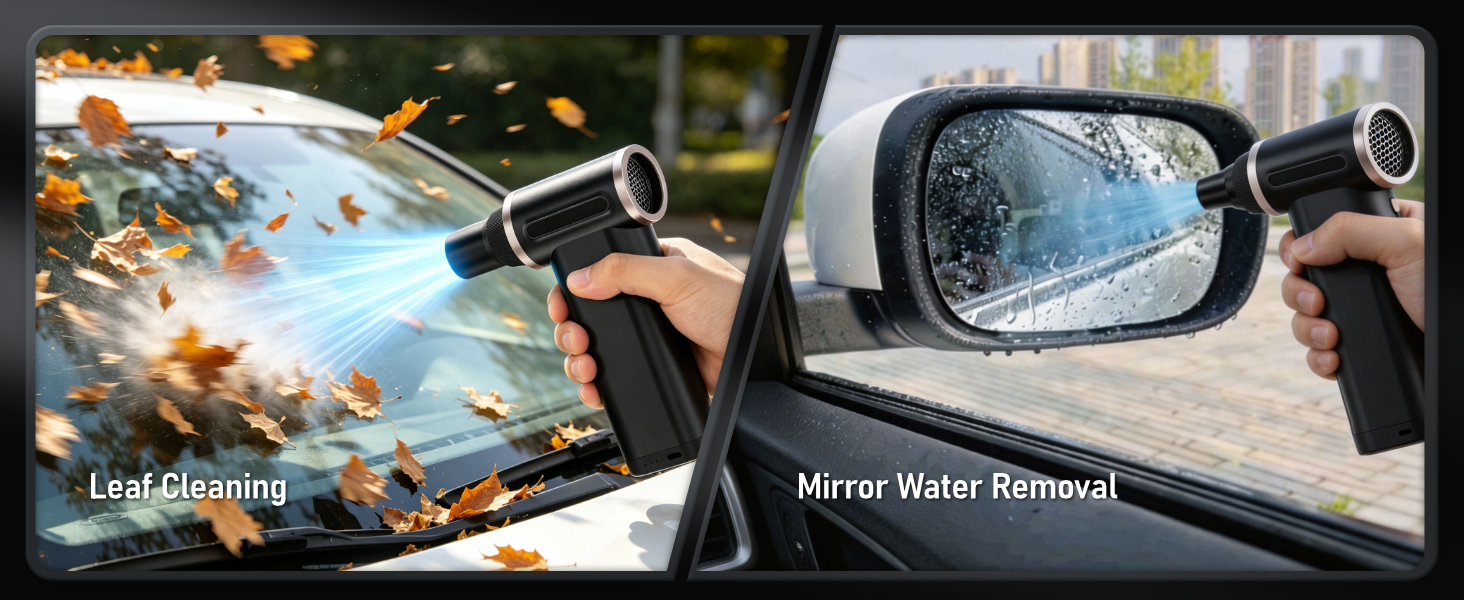
Зачем использовать воздуходувку для сушки автомобиля?
После стирки, вода может оставаться во многих частях автомобиля.
Общие проблемные области включают в себя:
- Боковые зеркала
- Дверные ручки
- Решетки
- Эмблемы автомобилей
- Колеса
- Оконные уплотнители
- Зазоры в панелях кузова
- Внешняя отделка
- Дверные косяки
- Вокруг огней
Полотенцу из микрофибры может быть трудно добраться до этих участков..
Воздуходувка использует концентрированный поток воздуха для удаления воды из автомобиля, не требуя прямого контакта..
Это особенно полезно для бесконтактная сушка автомобиля и для удаления воды перед заключительным этапом сушки полотенцем..
Какой тип воздуходувки следует использовать?
Не каждый вентилятор предназначен для автомобильной детализации..
Для сушки автомобиля, ищите компактный вентилятор с:
Сильный воздушный поток
Достаточный поток воздуха помогает эффективно перемещать воду по поверхности автомобиля и из узких щелей..
Высокая скорость воздуха
Высокоскоростной поток воздуха полезен для выталкивания воды из зеркал., решетки, эмблемы, колеса, и другие сложные места.
Беспроводная работа
Вентилятор с батарейным питанием устраняет необходимость в удлинительном кабеле и облегчает передвижение по автомобилю..
Регулируемая скорость
Несколько настроек скорости обеспечивают лучший контроль над различными поверхностями и ситуациями сушки..
Прецизионное сопло
Узкое сопло может сконцентрировать поток воздуха и помочь удалить воду из труднодоступных мест..
Удобный вес
Легкая конструкция особенно важна при сушке всего автомобиля..
Шаг за шагом: Как высушить машину с помощью воздуходувки
Шаг 1: Тщательно вымойте машину
Прежде чем использовать воздуходувку, убедитесь, что автомобиль тщательно вымыт и ополоснут.
Не используйте воздуходувку для перемещения большого количества грязи или песка по немытой окрашенной поверхности..
Типичный процесс:
Стирка → Полоскание → Сушка феном → Сушка полотенцем.
Воздуходувка работает лучше всего после удаления грязи и чистящих средств..
Шаг 2: Выберите подходящую насадку
Выбирайте насадку в зависимости от очищаемой площади..
Узкое сопло полезно для концентрированного воздушного потока., в то время как более широкая насадка может покрыть большие площади.
Для детальной работы, прецизионный воздушный поток особенно полезен вокруг:
- Решетки
- Зеркала
- Эмблемы
- Дверные ручки
- Колеса
- Подрезать
- Зазоры между панелями
Перед включением воздуходувки убедитесь, что насадка надежно прикреплена..
Шаг 3: Начните с более низкой настройки воздушного потока
Если у вашего вентилятора несколько настроек скорости, начните с более низких или средних настроек.
Это позволяет контролировать поток воздуха и наблюдать, как вода движется по поверхности..
Как только вы освоитесь с потоком воздуха, увеличивайте мощность при необходимости.
Высокая мощность особенно полезна для удаления воды с больших поверхностей или вытеснения воды из узких щелей..
Шаг 4: Начните с верхней части автомобиля
Начните с крыши и верхних поверхностей..
Систематически работать от:
Крыша → Окна → Капот → Багажник → Верхняя часть кузова → Нижняя часть кузова → Колеса
Если начинать сверху, вода будет двигаться вниз, а не многократно смачивать уже высушенные участки..
Используйте гладкую, контролируемые движения вместо того, чтобы удерживать поток воздуха в одном месте в течение длительного периода времени..
Шаг 5: Высушите крышу и стекло
Начните с направления воздушного потока через крышу..
Держите насадку на разумном расстоянии от поверхности и делайте контролируемые выметающие движения..
Затем переходим к окнам и стеклу..
Цель не обязательно состоит в том, чтобы немедленно удалить каждую каплю воды.. Вместо, используйте поток воздуха, чтобы переместить большую часть воды к краям автомобиля.
Шаг 6: Сдуть воду из зеркал
Боковые зеркала — одно из самых полезных применений автомобильного вентилятора..
Вода может оставаться внутри корпуса зеркала и по краям зеркала..
Прямой поток воздуха вокруг корпуса зеркала и швов..
Прецизионная насадка поможет вытолкнуть воду из этих узких мест..
Это особенно полезно, поскольку вода, попавшая внутрь зеркала в сборе, позже может капать на автомобиль..
Шаг 7: Очистка решеток и эмблем
Решетки и значки содержат множество небольших отверстий, в которых может оставаться вода после мытья..
Используйте концентрированный поток воздуха для удаления воды из:
- Передняя решетка
- Области задней решетки
- Значки производителя
- Модельные эмблемы
- Декоративная отделка
Перемещайте насадку по площади вместо того, чтобы концентрировать поток воздуха в одной точке..
Это позволяет воде стекать с разных направлений..
Шаг 8: Сухие дверные ручки и зазоры между панелями
Дверные ручки, швы, и детали отделки могут удерживать удивительное количество воды..
Используйте прецизионную насадку, чтобы продуть:
- Дверные ручки
- Отделка окон
- Дверные швы
- Зазоры между панелями
- Внешний молдинг
- Оконные уплотнители
Это помогает уменьшить капание воды на уже высушенные поверхности..
Шаг 9: Высушите колеса
Колеса — еще одно отличное применение мощного автомобильного вентилятора..
Вода может оставаться вокруг:
- Спицы
- Гайки с проушинами
- Колесные диски
- Тормозные компоненты
- Колесные арки
Используйте контролируемый поток воздуха, чтобы удалить воду из этих областей..
Для колес со сложным дизайном, воздуходувка может добраться до мест, где полотенце трудно разместить.
Шаг 10: Выдуть дверные косяки
После высыхания основных наружных поверхностей, откройте двери и осмотрите дверные косяки.
Вода обычно остается вокруг:
- Дверные уплотнители
- петли
- Края двери
- Защелки
- Дренажные зоны
Воздуходувка может быстро удалить оставшуюся воду из этих мест..
Это особенно полезно во время профессиональной детализации, поскольку дверные косяки часто упускаются из виду во время быстрой внешней сушки..
Шаг 11: Используйте полотенце из микрофибры для окончательной отделки.
Автомобильный вентилятор не обязательно заменяет полотенца из микрофибры..
Во многих рабочих процессах детализации, лучший подход — использовать оба.
Воздуходувка удаляет воду из щелей и труднодоступных мест., а полотенце из микрофибры может удалить остатки влаги с доступных окрашенных поверхностей..
Практический процесс – это:
1. Сдуйте большую часть воды.
2. Используйте воздуходувку вокруг швов, подрезать, зеркала, и эмблемы.
3. Обработайте доступные поверхности чистым полотенцем из микрофибры..
Эта комбинация может уменьшить ненужный контакт с полотенцем, обеспечивая при этом чистую окончательную отделку..
Как высушить машину, не прикасаясь к ней
Одним из основных преимуществ автомобильной воздуходувки является возможность бесконтактная сушка.
Вместо того, чтобы таскать полотенце по всему автомобилю, поток воздуха можно использовать для удаления значительного количества поверхностной воды.
Типичная последовательность бесконтактной сушки::
1. Тщательно промойте автомобиль
Удалите как можно больше рыхлой грязи.
2. Дайте стечь лишней воде
Дайте автомобилю время, чтобы слить стоячую воду..
3. Используйте воздуходувку сверху вниз
Направьте воду в нижнюю часть автомобиля..
4. Сосредоточьтесь на участках, где задерживается вода.
Особое внимание уделите зеркалам, подрезать, значки, решетки, ручки, и колеса.
5. Используйте полотенце только там, где это необходимо.
Завершите оставшиеся пятна воды подходящим полотенцем из микрофибры..
Такой подход может помочь свести к минимуму физический контакт с кузовом автомобиля во время процесса сушки..
Насколько близко следует держать автомобильный вентилятор?
Не существует единого расстояния, подходящего для каждой воздуходувки., сопло, поверхность транспортного средства, или настройка воздушного потока.
В качестве общей практики, начните с большего расстояния и постепенно приближайтесь, если требуется более концентрированный поток воздуха.
Не прижимайте насадку к автомобилю..
Для деликатных поверхностей, окрашенная отделка, свободная отделка, или чувствительные компоненты, используйте меньший поток воздуха и большее расстояние.
Всегда следуйте инструкциям по эксплуатации производителя воздуходувки..
Стоит ли использовать вентилятор на автомобиле с керамическим покрытием?
Воздуходувка может быть особенно удобна для сушки автомобилей с керамическим покрытием или другой защитной обработкой лакокрасочного покрытия, поскольку на поверхностях с покрытием вода легче стекает или образует капли..
Однако, сам вентилятор не заменяет правильную промывку и уход..
Перед сушкой автомобиль все равно следует вымыть подходящим способом..
Затем можно использовать воздуходувку для удаления воды с поверхности с покрытием и удаления воды, попавшей вокруг обшивки., значки, зеркала, и другие области.
Распространенные ошибки при использовании автомобильной воздуходувки
Ошибка 1: Взорвать грязную машину
Избегайте использования сильного потока воздуха для перемещения рыхлой грязи по сухой или сильно загрязненной окрашенной поверхности..
Всегда сначала мойте и ополаскивайте автомобиль..
Ошибка 2: Использование максимальной мощности повсюду
Максимальный поток воздуха не всегда необходим.
Используйте подходящую скорость для конкретного приложения..
Ошибка 3: Держите сопло слишком близко
Очень концентрированный поток воздуха может оказаться ненужным на деликатных участках..
Начните с разумного расстояния и корректируйте его в зависимости от ситуации..
Ошибка 4: Игнорирование колес и пробелов
Вода часто остается в колесах, зеркала, решетки, значки, и обрезайте даже тогда, когда основные панели кузова кажутся сухими.
Эти области должны быть включены в процесс сушки..
Ошибка 5: Использование грязной насадки
Форсунка воздуходувки должна содержаться в чистоте..
Грязь или мусор на насадке потенциально могут попасть на автомобиль во время использования..
Аккумуляторная воздуходувка против. Сжатый воздух для сушки автомобилей
Как беспроводные воздуходувки, так и системы сжатого воздуха могут быть полезны в автомобильной промышленности., но они служат другим потребностям.
| Особенность | Беспроводная автомобильная воздуходувка | Система сжатого воздуха |
|---|---|---|
| Портативность | Отличный | Ограниченный |
| Источник питания | Аккумулятор | Компрессор |
| Время установки | Очень низкий | Выше |
| Удлинительный шланг | Не требуется | Обычно требуется |
| Мобильная детализация | Отличный | Менее удобно |
| Точная сушка | Отлично, с подходящей насадкой | Отличный |
| Приложения для мастерских | Отличный | Отличный |
| Хранилище | Компактный | Требуется больше места |
Для стационарной мастерской, сжатый воздух остается практичным вариантом.
Для мобильная детализация, Уход за автомобилем своими руками, дилерские центры, и быстрая сушка автомобиля, беспроводная воздуходувка обеспечивает большую свободу передвижения.
Преимущества использования аккумуляторной воздуходувки для детейлинга автомобилей
Хорошо спроектированная беспроводная воздуходувка может дать несколько преимуществ.:
Бесконтактная очистка
Уменьшите количество прямого контакта, необходимого во время сушки..
Легкий доступ
Достигайте узких промежутков и сложных участков.
Портативная операция
Свободно перемещайтесь по автомобилю, не прикасаясь к кабелю питания..
Ускоренная сушка
Быстро удалить воду из нескольких областей.
Универсальное использование
Используйте один и тот же вентилятор для салона автомобиля., колеса, гаражи, семинары, и другие чистящие средства.
Компактное хранение
Легко храните инструмент в фургоне для детализации., гараж, мастерская, или транспортное средство.
Выбор лучшего автомобильного вентилятора для ваших нужд
При выборе воздуходувка для сушки автомобиля, учитывать больше, чем максимальная спецификация воздушной скорости.
Посмотрите на полный дизайн продукта:
- Производительность воздушного потока
- Скорость воздуха
- BLDC двигатель
- Емкость батареи
- Время выполнения
- Время зарядки
- Масса
- Уровень шума
- Контроль скорости
- Конструкция сопла
- Эргономика
- Долговечность продукта
Лучший аккумуляторный вентилятор — тот, который обеспечивает правильное сочетание производительности., портативность, контроль, и удобство для предполагаемого применения.
От сушки автомобиля до полной детализации автомобиля
Беспроводная воздуходувка может сделать гораздо больше, чем просто высушить только что вымытый автомобиль..
С правильным дизайном, он может стать универсальным инструмент для детализации автомобилей для:
- Сушка автомобиля
- Удаление пыли
- Чистка колес
- Очистка решетки
- Детализация интерьера
- Чистка вентиляционных отверстий
- Удаление воды из зазоров
- Уборка мастерской
- Мобильная детализация
В сочетании с беспроводной ручной пылесос, он может обеспечить комплексное решение для очистки автомобилей с помощью продувки и вакуумирования..
Воздуходувка разрыхляет и удаляет воду или свободный мусор., пока пылесос собирает пыль, волосы домашнего животного, крошки, и другие частицы.
OEM/ODM Производитель автомобильных воздуходувок
Мы являемся профессиональным производителем, специализирующимся на мощные аккумуляторные воздуходувки и ручные пылесосы для автомобилей, дом, уход за домашними животными, открытый, и профессиональные приложения.
Наши беспроводные воздуходувки могут быть разработаны для сушки автомобилей и их детализации., с возможностью настройки, включая:
- Конфигурация двигателя BLDC
- Производительность воздушного потока
- Скорость воздуха
- Конфигурация батареи
- Система зарядки
- Настройки скорости
- Конструкция сопла
- Внешний вид продукта
- Цвет продукта
- Логотип и брендинг
- Упаковка
- Аксессуары
Являетесь ли вы бренд автомобильной детализации, автосервисная компания, распределитель, розничный торговец, дилерский центр, или покупатель OEM/ODM, мы можем поддержать разработку вашего продукта от концепции до массового производства.
Заключительные мысли
Обучение как использовать автомобильную воздуходувку для сушки автомобиля это просто, но использование правильной техники может сделать процесс намного более эффективным..
Предварительно помойте и ополосните автомобиль., начни с самого верха, используйте контролируемый поток воздуха, обратите особое внимание на места, где задерживается вода, и при необходимости протрите полотенцем из микрофибры..
Для профессиональных детейлеров и автолюбителей, Мощный аккумуляторный вентилятор может стать ценным дополнением к набору инструментов для детализации, обеспечивая портативность., точный, и удобный поток воздуха везде, где это необходимо.
Ищете аккумуляторную автомобильную воздуходувку для вашей автомобильной линейки.? Свяжитесь с нами, чтобы обсудить решения OEM/ODM.